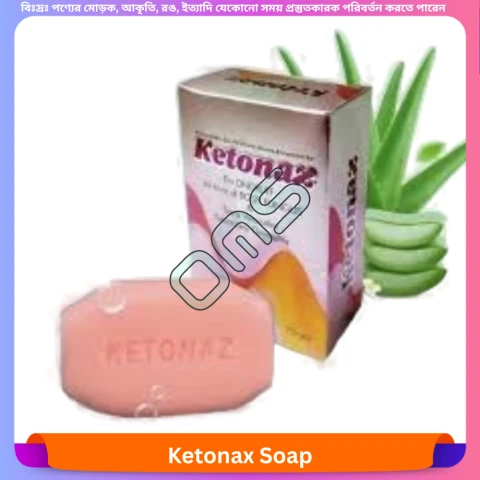
Ketonax Soap 75 gm
৳ 665700
See All: Soap - Ketoconazole Soap
Order By Call:
+88 01336 242 802 (Mobile)
+88 01336 242 802 (WhatsApp)
Ketonax Soap is a medicated antifungal cleansing bar primarily used to treat and prevent skin infections caused by fungus and yeast.
Payment Methods

About the Product
Full Description
Ketonax Soap (Ketoconazole soap) is a medicated antifungal cleansing bar primarily used to treat and prevent skin infections caused by fungus and yeast. It works by destroying fungal cell membranes, which rapidly relieves uncomfortable symptoms like itching, scaling, and redness.
Benefits of Ketonax Soap
- Antifungal Action: Halts the growth and spread of fungi and yeasts.
- Symptom Relief: Quickly eliminates severe itching, burning, flaking, and inflammation.
- Prevention: Regular use can prevent recurring fungal infections.
Indications of Ketonax Soap
It is commonly used to treat and manage:
- Seborrheic dermatitis (dry, flaky, or red skin on the face, scalp, and chest)
- Tinea versicolor (discolored, sun-fungus patches on the skin)
- Athlete's foot (tinea pedis)
- Ringworm (tinea corporis)
- Jock itch (tinea cruris)
- Dandruff and associated scalp conditions
Ingredients of Ketonax Soap
Depending on the specific brand (e.g., Ketozole or Keto Gold), it is usually compounded with a moisturizing or soothing base that may include:
- Glycerin or Sorbitol (for hydration to prevent peeling)
- Aloe vera oil
- Coconut oil or Soap noodles (cleansing base)
How to Use Ketonax Soap
- Cleanse: Wet the affected skin and your hands with warm water.
- Lather: Rub the soap in your hands to create a rich lather and apply it gently to the affected areas.
- Wait: Leave the lather on the skin for 2 to 3 minutes to allow the medication to penetrate.
- Rinse: Rinse the skin thoroughly with clean water and pat dry.
- Frequency: Use once or twice daily, or as strictly directed by your dermatologist.
Side Effects of Ketonax Soap
While generally well-tolerated, you may experience mild and temporary side effects:
- Skin dryness or peeling
- Burning sensation or mild irritation
- Redness or a mild rash at the application site
Precautions of Ketonax Soap
- External use only: Keep it away from your eyes, nose, and mouth.
- Broken skin: Avoid using it on open wounds or deeply cut skin unless advised by a doctor.
- Pregnancy & Nursing: Consult your healthcare provider before use if you are pregnant or breastfeeding.
- Children: Safety and efficacy in children under 18 have not been universally established; use only under medical supervision.